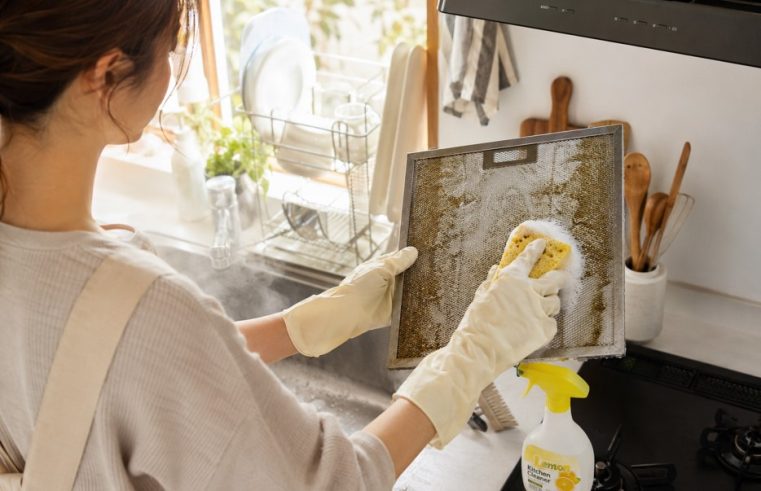
Grease buildup in the kitchen has a way of sneaking up on people. One day, the fan seems fine, then suddenly the filters feel sticky, the air feels heavy, and the whole room smells like yesterday’s cooking. It happens slowly, in busy homes or commercial kitchens where frying, grilling, or heavy cooking is part of the routine.
Learning how to clean kitchen exhaust fan grease properly is not about appearance. A greasy fan can affect airflow, trap odours, and even become a fire risk over time. Some people ignore it for months because the task feels unpleasant. Cleaning an exhaust fan is not enjoyable. Still, once it becomes part of regular maintenance, the process gets easier.
This article covers the signs of grease buildup, step-by-step exhaust fan cleaning methods, maintenance tips, safety considerations, and when replacing the fan is a better option than cleaning it again.
Sometimes the fan still runs, so people assume it is working properly. That is where the problem starts.
If steam hangs around the kitchen longer than usual, your fan may be struggling. A clogged fan cannot move air efficiently. In some older kitchen ventilation system setups, grease blocks airflow that homeowners barely notice until smoke alarms start reacting during cooking.
Cabinets near the fan can start feeling oily. Dust sticks to grease, creating a grimy layer that spreads far from the exhaust area.
A working fan should help remove cooking odours fairly quickly. If smells stay trapped for hours, there is a good chance you’re overdue for a clean kitchen exhaust service for some time.
Thick yellow or brown grease deposits on the filters indicate deeper buildup inside the fan housing, too. In busy restaurants, a neglected restaurant exhaust fan can collect grease at an alarming rate.
Turn off the power first. It sounds obvious, though many people skip this step when rushing.Most filters slide or pop out easily. Some older units need a screwdriver. If the grease has hardened, the filters may stick slightly. Pull gently rather than forcing them.
Fill a sink or tub with hot water. Add dish soap and a degreasing solution. Baking soda works well, too.Let the filters soak for at least 15 to 20 minutes. For heavy grease, longer soaking helps. Sometimes people scrub too early, making the job harder on themselves.
Use a non-abrasive brush or sponge. Old toothbrushes help with corners and mesh sections.Avoid steel wool. It scratches metal surfaces and can damage protective coatings. That mistake is more common than people admit during rushed exhaust fan cleaning sessions.
Rinse filters thoroughly with warm water and allow them to dry fully before reinstalling. Damp filters can trap more dust and grease immediately.
Cleaning once is fine. Cleaning every few weeks because the buildup keeps returning is another story.
Know How to Clean
For standard home kitchens, cleaning every two to three months works well. Heavy cooking may require monthly cleaning. Commercial kitchen exhaust hoods need professional servicing far more frequently because grease accumulates much faster in high-volume cooking environments.
Reduce Grease During Cooking
Splatter guards help. Many people buy them and stop using them after a week, but they reduce airborne grease noticeably. Running the fan before cooking starts also improves airflow through the kitchen exhaust systems and captures grease earlier.
Improve Overall Ventilation
Opening windows occasionally helps reduce trapped moisture and oil particles. Some kitchens rely on mechanical airflow, which is not always enough.
Not all fans are built the same.
Wall-Mounted Exhaust Fans
These are common in smaller kitchens. They are easier to access, but they also collect grease along the surrounding walls.
Ceiling-Mounted Exhaust Fans
Cleaning ceiling units can be awkward. A stable ladder matters more than people think. Rushing while balancing rarely ends well.
Range Hoods and Chimney Fans
Modern chimney systems include removable mesh filters and internal grease traps. Some advanced kitchen exhaust systems even include auto-cleaning features, though manual cleaning is still required eventually.
People treat grease as mostly cosmetic. It is not.
Health Risks
Grease traps dust, smoke particles, and bacteria. Poor ventilation can worsen indoor air quality and create uncomfortable cooking conditions.
Fire Hazards
This is important in restaurants using commercial kitchen exhaust hoods. Grease buildup is highly flammable and increases fire risk.
Safe Chemical Handling
Always wear gloves when using strong degreasers. Some cleaning chemicals produce strong fumes in enclosed kitchens.
DIY cleaning costs less but takes time and effort. Professional cleaning is quicker and more thorough for large systems or heavily used restaurant exhaust fan setups.
Professional cleaners are useful when grease buildup becomes excessive or when hard-to-reach ducting needs attention. Many commercial kitchens schedule routine servicing because internal duct cleaning is difficult without specialised equipment.
Knowing how to clean kitchen exhaust fan grease properly helps your kitchen stay cleaner, safer, and more comfortable. Regular exhaust fan cleaning improves airflow, reduces lingering odours, and helps maintain the efficiency of your kitchen ventilation system over time.
Whether you are maintaining residential fans or larger commercial kitchen exhaust hoods, consistency matters more than deep cleaning once a year. Small maintenance habits prevent bigger problems later. And a properly maintained fan makes the kitchen feel fresher.
Wired Air provides reliable cleaning, maintenance, and ventilation solutions for residential and commercial kitchens. Whether you need servicing for a home exhaust fan, a complete inspection of a kitchen exhaust system, or support with commercial kitchen exhaust hoods, our experienced team can help.
Call Wired Air today on 0429 612 624 to discuss your exhaust fan cleaning or ventilation requirements with a professional team you can trust.
Grease buildup in the kitchen has a way of sneaking up on people. One

This article explains how a smoke extractor fan works, why it is essen

